




Some kids wake up and slide into the day. Others wake up and declare war on socks. If your child belongs to the second group, mornings can feel like a forty-five-minute negotiation with a deadline attached — and the harder you push, the slower everyone moves.
The fix isn't a louder alarm or a stern speech at 7:15 a.m. It's building a routine that asks less of a half-awake brain. Here's a seasonal checklist to set up the week before school starts, then adjust as the year settles in.
Start With the Night Before, Not the Morning
Almost every morning problem has a night-before solution. Kids who hate mornings are usually kids who are still tired when the alarm goes off, and no routine survives real sleep deprivation.
Shift bedtime gradually
If summer bedtime drifted an hour later, don't slam it back in one night. Move bedtime earlier by 15 minutes every two or three days, starting about a week and a half before school, and shift wake-up time by the same amount. Keep weekends within an hour of the school schedule so Monday doesn't undo the whole week.
Build a wind-down that isn't just losing screens
Replace screens with something rather than simply removing them: a bath, a chapter of a book, drawing, quiet music in the room. Dim the house lights an hour before bed. If your child insists they aren't tired, give it a week — the body clock usually catches up faster than kids expect.
Set out what you can the night before
Clothes chosen and laid out, socks included, since that's where the drama usually lives. Backpack packed by the door. Lunch decided. Shoes located. Do this with your child, not for them. A kid who picked the outfit is far less likely to reject it at 7 a.m.
Make a Visual Schedule Your Child Can Own
Verbal instructions evaporate in a sleepy brain. A list on the wall does not. Keep it to five or six steps and put it where the morning actually happens — the kitchen wall or the bathroom mirror.
- Potty and teeth
- Get dressed (clothes are already on the chair)
- Eat breakfast
- Hair and shoes
- Backpack by the door
- Out
Older kids can have a version with times attached, but keep it loose: "dressed by 7:20" rather than "7:18." Let your child check off steps or slide a clothespin down the list. The point isn't tracking — it's removing you as the person who has to repeat every step out loud.
If your child reads, words work fine. If not, snap quick photos of them doing each step and tape the pictures up. Ten minutes of prep, months of saved nagging.
Breakfast Without the Standoff
Morning appetites are unreliable, especially in the first twenty minutes after waking. Fighting over food at 7 a.m. costs more than it's worth.
- Offer two choices, not a menu. "Yogurt or toast?" A child who hates mornings tends to freeze in front of open-ended questions.
- Serve something portable. A banana, a cheese stick, dry cereal in a cup, half a peanut butter sandwich. Eating on the walk to school is fine.
- Prep at night. Overnight oats, cut fruit, hard-boiled eggs, pancakes you can reheat. Ten minutes at night buys twenty in the morning.
- Keep a backup shelf. One or two foods your child will always eat, so a no-appetite day doesn't become a crisis.
- Skip the lecture. If they don't eat, they'll be hungry at snack time. That's a natural consequence, not a parenting failure.
If you're concerned your child consistently isn't eating enough or is losing weight, talk to your pediatrician rather than managing it alone.
Design the Exit Routine Down to the Door
The last five minutes are where most mornings collapse. Shoes go missing, someone remembers a permission slip, someone else needs the bathroom again.
Give the exit its own routine and its own name — "the last three," for instance: shoes, backpack, door. Say the same words every day. Kids who resist being told what to do often respond well to a fixed script they can finish themselves.
- Keep a basket by the door for shoes, and enforce it for the whole family, not just the kids.
- Hang backpacks at kid height so nobody needs help reaching them.
- Keep a small whiteboard or clipboard for forms and anything the school sends home.
- Set a departure time and work backward. If you leave at 7:45, shoes go on at 7:35.
If your child is a dawdler, build in a ten-minute buffer you never mention. Then the delay isn't a crisis and you're not shouting at the door.
When Mornings Still Fall Apart
Some mornings will go badly no matter what you set up. Yours too. The goal isn't a perfect morning; it's a shorter bad one. Three things worth checking when a routine keeps failing:
- Is bedtime actually early enough? Most "difficult" morning behavior is tiredness with a personality.
- Is your child doing too much alone? A six-year-old may still need help with socks and hair. That's development, not laziness.
- Did something change? If mornings got harder suddenly, ask about school — a new teacher, a friend issue, a different bus. Anxiety often looks like slowness.
For a child with ongoing anxiety, attention difficulties, or sleep problems, your pediatrician is the right first stop. A good routine helps, but it isn't a substitute for proper support.
Keep the First Two Weeks Boring
Don't add anything new to the morning for the first two weeks of school. No morning practices, no extra chores, no elaborate breakfasts. Just bedtime, the schedule on the wall, and the same exit every day.
Once the routine runs on its own — usually by mid-September — you can loosen it. Let your child get dressed before breakfast, or read for ten minutes once they're ready. Flexibility that's earned sticks better than flexibility handed over on day one.
Give yourself the same grace you're giving them. A morning that ends with everyone in the car, mostly dressed, and only mildly annoyed is a good morning. That's the standard. Everything else is a bonus.
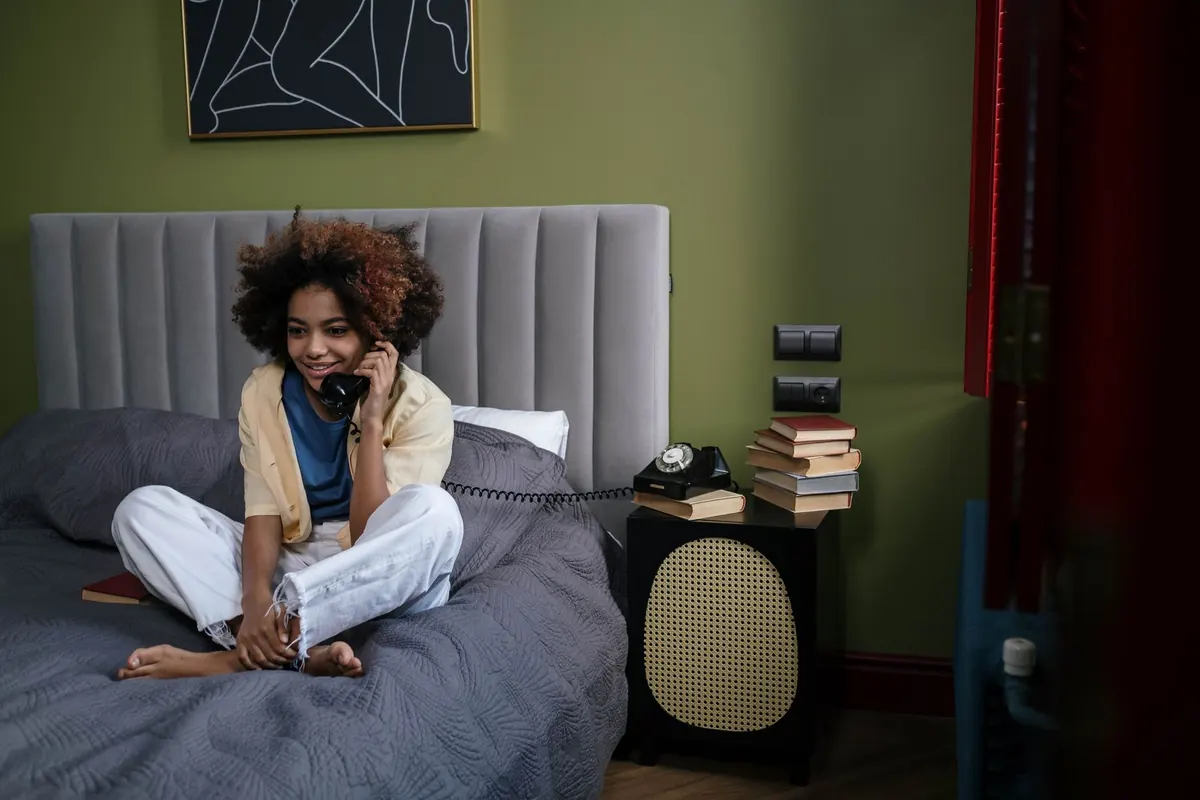
Photo: hemsterz / Pixabay